
The Thaw & Reveal: April's Hidden Leak Danger in Connecticut

Connecticut’s spring thaw can turn indoor plumbing problems from invisible to disastrous. A long winter of heavy snow and freezing cold followed by warm April days causes buried pipes to shift and crack. When ice in the ground melts rapidly, pressure on underground supply and sewer lines suddenly releases – often at night when leaks go unnoticed. Serving New Haven County and surrounding communities, we urge homeowners to be vigilant: April is a peak month for hidden leaks in CT. (In fact, experts call it a time when “moisture inside walls creates ideal conditions for mold”.)
The Thaw & Hidden Leaks: Why April is High-Risk
Bottom Line Up Front: A brutal CT winter with many freeze-thaw cycles means April’s thaw can expose cracks in pipes. As temperatures climb, frozen ground settles unevenly, pulling apart old joints or hairline cracks. Hidden leaks then spring open, often behind walls or under slabs. As one CT reporter noted, repeated freeze-thaw cycles cause microscopic damage in structures (like roads and by extension pipes) that expands in spring. In plain terms, every thaw is a reveal: April’s warmth after weeks of cold is when pipes that were frozen and brittle begin to leak.
Connecticut saw record snow and ice this winter, and just as roads caved under potholes, underground pipes endure the same stress. Once snowbanks melt, “water seeping into and expanding cracks” in pavement leads to potholes, and similar expansion around pipes leads to leaks. In New Haven County’s towns – from New Haven to North Branford, Branford, East Haven, North Haven, Hamden, Milford and beyond – homeowners should expect such springtime plumbing surprises.
Connecticut Freeze-Thaw Cycle
Bottom Line Up Front: Connecticut’s weather often swings from freezing nights to mild days in late winter. Each freeze followed by a thaw (especially around March–April) heaves soil and stresses pipes.Hard freeze/thaw cycling was common this year in CT. When ice in the ground melts, soil layers shift. As the ground heaves, even well-buried pipes flex. When cold snaps return, that moisture refreezes and expands again, widening tiny cracks. This freeze-thaw “stress” is well-known to crack concrete and asphalt, and it likewise affects buried pipes. Each spring thaw can open new leak paths in aging plumbing infrastructure.
Soil and Pipe Movement in New Haven County
Bottom Line Up Front: Local soils exacerbate the problem. In New Haven County, we have both traprock (basalt) ridges and sandy/clayey loams. Freeze-heaved clay and rocky till can tilt or crush pipes.Much of greater New Haven sits on glacial till and clay soils, while trap rock ridges create hard, uneven ground. When frost recedes, clay soils suddenly shrink and settle, “pulling apart pipe joints and cracking rigid materials”. Even sandy loams can heave as they dry out after frozen saturation. The uneven composition – a mix of sand, clay, and occasional basalt fragments – means one part of a yard may dry and shift more than another. All this movement is a perfect recipe for hidden leaks: a slight bend or pull in a pipe joint from soil shift can open a pinhole or seam leakage exactly when pipes refill in spring.
Hidden Costs: Water Waste & Foundation Risk
Bottom Line Up Front: Undetected leaks waste thousands of gallons and cost homeowners big money. Nationwide, the EPA says the average household loses ~9,300 gallons per year from simple leaks. In Connecticut, even a small leak can drive up bills and undermine foundations.Left unchecked, hidden leaks aren’t just a waste – they’re expensive. The EPA notes that the average home’s leaks waste about 9,300 gallons annually. In practical terms, a silently leaking toilet or pipe can add many hundreds of dollars to a bill each year. Meanwhile, water under a foundation or in walls leads to costly repairs. Foundation repair averages thousands in the Northeast. For example, Connecticut homeowners face average foundation repair costs around $7,200, due in part to our region’s soil and climate. (That’s about 41% above the national average.) These hidden expenses make finding leaks ASAP vital.
Leaky Faucets and Toilets Waste Thousands
Bottom Line Up Front: Even a small, unnoticed plumbing drip adds up fast. A toilet that won’t stop running can waste 200+ gallons per day. A dripping faucet can lose 20+ gallons daily. Over a quarter, that’s tens of thousands of gallons.Statistics back up the urgency. CT’s Department of Energy & Environmental Protection (DEEP) warns that a leaky toilet alone can dump 200 gallons a day down the drain. Similarly, the Regional Water Authority points out that a faucet dripping at 30 drops/minute wastes about 20 gallons each day. Put it together: a hairline slab leak or pinhole in a pressurized line might leak 10–20 gallons per hour, equating to thousands of gallons per month. According to one estimate, a 1/4″ hole in a pipe can lose over a million gallons a year. These losses not only swell your water bill, they can feed mold and rot behind the scenes.
High Repair Costs in CT & Northeast
Bottom Line Up Front: Fixing leaks and foundation damage is expensive. CT’s repair costs run higher than average (around $7,200), and serious cases (like foundation cracks) can cost tens of thousands.Once a leak has caused damage, repair bills can skyrocket. FoundationIssues.com notes the national average foundation repair is ~$5,122, but states like Connecticut and New York are much higher. Connecticut’s average is about $7,200. (Massachusetts and New York are even higher.) Even routine leak repairs – like excavating a slab leak or replacing a sewer lateral – can run into the $3,000–5,000 range in this region, due to labor rates and complex soils. In short, the cost of ignoring a small April leak easily exceeds the cost of prompt repair.
Local Solutions: Leak Detection in New Haven, CT
Bottom Line Up Front: Residents of New Haven, Branford, East Haven, North Haven, Hamden, Milford, North Branford and nearby areas should turn to local plumbing pros with the right tools. Modern non-invasive leak detection lets licensed plumbers find hidden breaks without tearing out walls or yards. Catching problems early keeps repair costs down.Fortunately, homeowners aren’t helpless. Plumbing experts in New Haven County use advanced diagnostics to locate leaks before major damage. As one local service explains, plumbers use “non-invasive detection technology to pinpoint leaks behind walls, under concrete slabs… — without tearing your home apart”. Acoustic listening devices, infrared cameras, and pressure tests can isolate a leak’s location. Many leaks are then fixed via small access holes or trenchless lining. In areas near Branford or in New Haven, CT, these techniques mean a burst or slab leak can often be detected and fixed quickly by skilled teams.
Professional Plumbing Services for Leaks
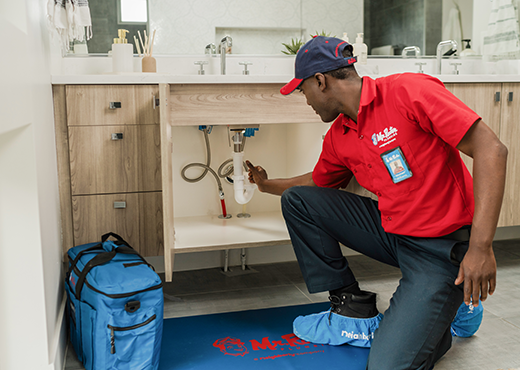
Bottom Line Up Front: At the first sign of trouble (unexplained wet spots, water stains, or high bills), call a licensed plumber. 24/7 emergency plumbing teams in South Central Connecticut are ready to respond. They offer video camera pipe inspection, licensed pipe repair, drain cleaning, water heater service and more to stop leaks fast.Don’t wait for a wall to bulge or ceiling to collapse. A licensed plumber can shut off the main, test lines under pressure, and use cameras to confirm the exact pipe location. Modern plumbers in CT (like those at Mr. Rooter Plumbing of South Central Connecticut) also provide trenchless pipe repair options, so even a damaged slab leak can be re-lined with minimal digging. They handle everything from drain cleaning (to clear root-obstructed sewer lines) to replacing old galvanized supply lines that are prone to pinhole leaks. And because they operate 24/7, you can get emergency plumbing help anytime a leak is discovered. It’s a “Done Right Promise”: fix it now, before a little drip becomes a big flood.
If you suspect a leak, call immediately. Early action — professional, licensed service — is the cheapest solution. For prompt, professional support, contact Mr. Rooter Plumbing for professional leak detection and repair services in CT.
Why is my CT water bill suddenly so high this April?
April’s spring thaw often reveals hidden leaks. Ground settling and melting frost can open small breaks. The RWA advises monitoring your water meter closely (for example via their Water Watch tool) to detect unexplained spikes. A sudden bill jump in April often means a hidden leak.
How can I tell if there is a water leak under my concrete slab?
Common clues are warm “hot spots” on floors or the sound of running water when all faucets are off. Plumbers like Mr. Rooter CT use infrared/thermal imaging and acoustic listening devices to locate slab leaks without tearing up the concrete.
Are hidden pipe leaks common in New Haven County during spring?
Yes. Connecticut’s transition from freezing winter to spring causes soil to shift and heave, stressing buried pipes. Experts note that saturated spring soils freeze in winter and then expand in spring, “literally tear your plumbing apart over time”. This seasonal shifting makes hidden leaks much more likely each spring.
Does Connecticut homeowners insurance typically cover leak detection?
Most CT home policies cover water damage from sudden accidents (like a burst pipe) but not gradual leaks. Many insurers will pay to locate a leak if it caused a covered loss, but repairing or preventing routine leaks is generally the homeowner’s responsibility. Always verify specifics with your local agent.
Our Services
From drain cleaning to water heater repair, we've got your plumbing covered across South Central Connecticut.

Ready to Fix Your Plumbing?
Get a free, no-obligation estimate from our licensed local plumbers. Available 24/7 for emergencies.