
Drain Keeps Clogging After Snaking? Why It Happens and What Works
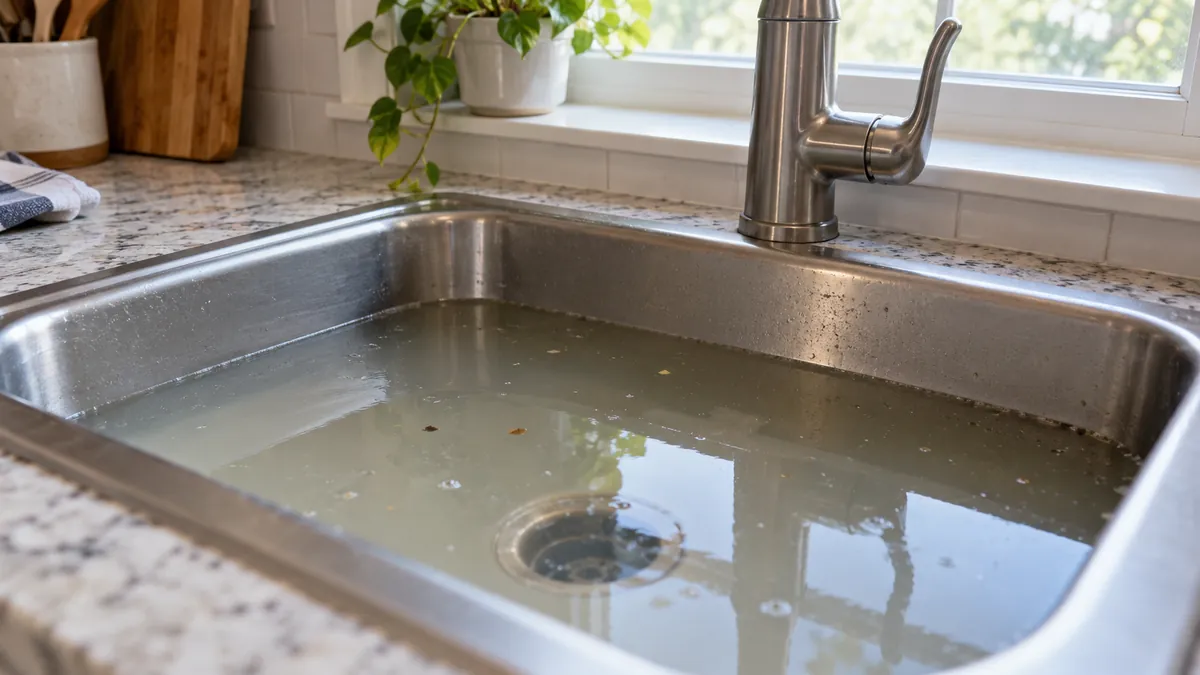
Illustrative photo.
If your drain keeps clogging after snaking, the blockage may not have been fully removed, or something is making it return. Grease, accumulated debris, roots, and pipe damage can all produce a drain that works briefly and then slows again.
That does not automatically mean you need a new pipe or a more expensive cleaning method. The useful next step is to find out what remains in the line before paying to repeat the same treatment.
What You Should Do First
- Pause use of the affected fixture. If water is backing up into another drain, stop household water use and call promptly.
- Write down when it returned. A clog that reappears the same afternoon gives different clues from one that returns months later.
- Check the visible strainer. Remove accessible hair or food debris only if there is no sewage backup and no chemical drain cleaner in the water.
- Review the last visit. Find out which drain was cleaned and whether the technician documented roots, buildup, or pipe condition.
- Arrange an assessment if the problem persists. Tell the technician that the line was recently snaked, rather than describing it as a first-time clog.
Why a Drain Can Clog Again
Some buildup is still inside the pipe
A drain snake can remove or break up an obstruction. Depending on the equipment and material, it may leave grease or other deposits along the pipe wall. Water starts moving again, but the remaining buildup can collect more debris.
The tool did not reach the whole problem
A small hand tool may clear a nearby obstruction while a second blockage remains farther away. The right access point and equipment matter, especially when several fixtures are affected.
Roots or a damaged pipe are involved
Roots can enter through openings in a buried sewer pipe. Clearing them does not seal the opening. A crack, displaced joint, or sagging section can also collect waste again after cleaning.
New material is going down the drain
Cooking grease, wipes, and heavy hair buildup can create new clogs. Put cooled grease in the trash, keep wipes out of toilets even if labeled flushable, and use a removable hair catcher.
Safe Troubleshooting Has a Limit
If one sink is mildly slow and there is no backup, you can clean its accessible strainer and stop putting food or grease into it. Use gloves, avoid sharp edges, and do not reach into a garbage disposal.
Once the clog returns after those basic checks, stop repeating DIY treatments. A drain that needs constant rescue deserves inspection. If sewage is present, several drains are affected, or water crosses between fixtures, skip troubleshooting and call.
What to Avoid
- Repeated chemical treatments, which do not fix a broken pipe and can expose the next person working on it.
- Forcing a hand snake when it jams or using a powered machine without training.
- Running extra water to test a drain that is already backing up.
- Assuming a recurring clog proves you need hydro jetting or replacement.
Tell the plumber about any chemicals already used. Keep the container or product name available so the technician can plan safely.
When to Call a Professional
Book an assessment when the same drain repeatedly slows, a recent cleaning did not hold, or gurgling and odors accompany the clog. Seek urgent service for rising wastewater, an overflowing fixture, or several backed-up drains.
A slow but usable sink with no leak can often wait for a scheduled visit. A sewage backup should not wait for another round of drain cleaner.
What the Technician May Check
Expect questions about the cleaning history, affected fixtures, and how quickly the problem returned. The technician may inspect accessible piping and recommend a camera inspection when appropriate; standing water or a blockage may need clearing before useful camera footage is possible.
- Removable obstruction: suitable drain cleaning may be enough.
- Heavy buildup in a suitable pipe: hydro jetting may provide a more thorough cleaning.
- Structural damage: pipe repair may be needed instead of repeated cleaning.
Ask what evidence supports the recommendation and what the treatment can and cannot solve.
Get a Quote for the Cause, Not Just the Symptom
Over the phone, a recurring kitchen clog and a damaged buried sewer can sound similar. An assessment helps establish the work needed so your estimate is based on the actual problem.
Mr. Rooter CT explains the findings and gives an upfront price for the recommended service before you approve work. Read how flat-rate plumbing pricing works, and ask whether inspection, cleaning, and any repair are separate parts of the quote.
Frequently Asked Questions
Does a returning clog mean the last plumber did something wrong?
Not necessarily. Cleaning can restore flow without repairing a defect, and fresh material can create another blockage. Review the previous service and investigate the cause before drawing a conclusion.
Can hydro jetting permanently fix every recurring clog?
No. It can remove suitable buildup, but it does not repair cracks, correct a sagging pipe, or stop roots entering through an opening. Pipe condition should guide the choice.
Should I snake the drain again myself?
When a clog keeps returning, repeating the same method may delay a useful diagnosis. Stop if there is resistance, sewage, a cross-fixture backup, or chemicals in the drain.
Clog Came Back? Let's Find Out Why.
Request a Mr. Rooter CT assessment and understand the recommended work and upfront price before authorizing it.
Related reading: what to do when the toilet backs up into the shower and hydro jetting vs. snaking.

Our Services
From drain cleaning to water heater repair, we've got your plumbing covered across South Central Connecticut.
Ready to Fix Your Plumbing?
Get a free, no-obligation estimate from our licensed local plumbers. Available 24/7 for emergencies.